Source Professional Round Nail Repair Kit for Salons, Home, and Travel
Find and compare 30 professional round nail repair kit options from verified manufacturers. Evaluate materials like stainless steel and ABS, check customization for OEM branding, and review shipping terms to source the right tools for salon, home, and travel use.
Key considerations
Products List


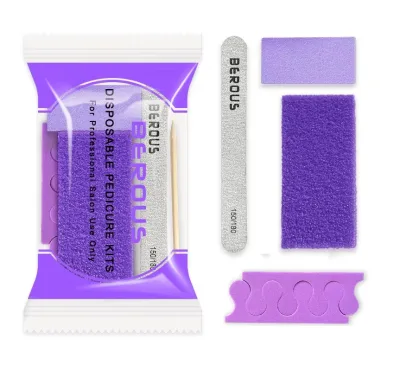


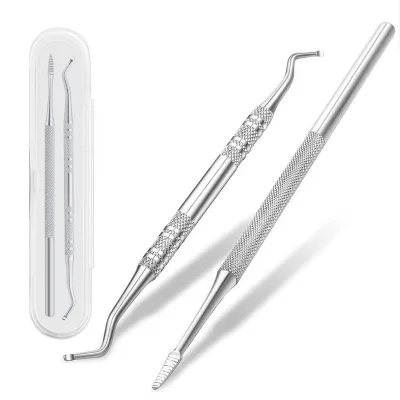
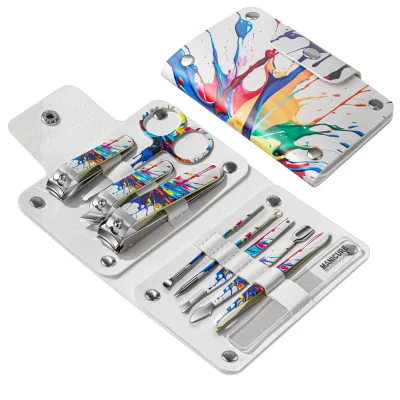


Comprehensive Sourcing Guide
Professional Round Nail Repair Kit Sourcing Guide
Sourcing professional-grade nail repair kits requires a nuanced understanding of both the functional requirements of the tools and the commercial realities of international trade. Buyers must distinguish between general manicure sets and specialized repair kits designed for specific nail shapes, such as the round profile. The market offers a variety of configurations, ranging from basic home-use tools to comprehensive commercial kits that include multiple models and specialized attachments. Understanding these distinctions is critical for aligning procurement with end-user needs, whether for salon professionals, retail distributors, or private label brands.
This guide focuses on the key decision points for importing these products, leveraging observed market data and standard industry practices. It addresses product scope, technical verification, compliance, cost structures, supplier qualification, and long-term risk management. By adhering to these evidence-based principles, buyers can mitigate risks associated with quality inconsistencies, regulatory non-compliance, and supply chain disruptions. The following sections provide a structured approach to evaluating suppliers and selecting the right products for your specific business model.
Product Scope and Observed Listing Signals
The observed market for nail repair kits reveals a diverse range of product attributes, with materials primarily consisting of stainless steel and ABS plastic. Stainless steel components are typically used for durability and precision in cutting or shaping tools, while ABS plastic is often found in handles or protective covers. Listings indicate that products are available in various shapes, including rhombus and rectangle profiles, though the core keyword emphasizes round nail repair. Buyers should verify that the specific tools included in a kit are suitable for round nail contours, as generic sets may lack the specialized curvature required for optimal results.
Commercial and home usage categories dominate the listings, suggesting versatility in the target market. Many suppliers offer customization options, including OEM and ODM services, allowing buyers to create private label products. The presence of multiple model numbers, such as BS-2450, BS-2080, and BS-1835B, indicates that suppliers often maintain a portfolio of similar but distinct kits. Buyers should carefully review the contents of each model to ensure they meet the specific functional requirements of their customers, particularly regarding the number of pieces per set and the inclusion of essential repair tools.
Technical Specifications to Verify
Technical verification begins with confirming the material composition and construction quality of the tools. Stainless steel tools should be inspected for corrosion resistance and edge retention, while ABS components must be checked for structural integrity and smooth finishes. The observed standard of approximately 200g per kit or 55g per set provides a baseline for weight expectations, but buyers should request detailed weight specifications for individual components to ensure consistency. Variations in weight can indicate differences in material thickness or manufacturing quality, which may impact the perceived value and durability of the product.
Packaging and labeling are also critical technical aspects that affect both product protection and brand presentation. Common packaging methods include OPP bags and cartons, with some sets provided in individual boxes. Buyers should verify that the packaging is robust enough to prevent damage during transit, especially for fragile metal tools. Additionally, the availability of logo customization and private branding options should be confirmed, as this is a key requirement for many B2B buyers. Ensuring that the packaging design aligns with brand guidelines and includes all necessary regulatory information is essential for successful market entry.
Compliance and Safety Documentation
Compliance with international safety standards is non-negotiable for nail care products, particularly those intended for professional use. Certifications such as RoHS and MSDS are commonly observed in listings, indicating adherence to restrictions on hazardous substances and providing material safety data. Buyers must request valid certification documents from suppliers and verify their authenticity with the issuing bodies. CE marking is also frequently mentioned, suggesting compliance with European health, safety, and environmental protection standards. However, buyers should confirm that the CE mark is legitimate and not merely a claim without supporting documentation.
In addition to product-specific certifications, buyers should inquire about broader quality management systems, such as ISO 9001 or ISO 14001, although these are noted as low-confidence background information. While not always mandatory, these certifications can indicate a supplier’s commitment to consistent quality and environmental responsibility. Buyers should also ensure that all products meet the regulatory requirements of their target markets, including labeling laws and ingredient disclosures if applicable. Failure to comply with these regulations can result in product seizures, fines, or reputational damage.
Cost Drivers and Commercial Terms
Cost structures for nail repair kits are influenced by several factors, including material costs, manufacturing complexity, and order volume. The observed price range of $0.07 to $20 USD reflects the diversity of products available, from basic single tools to comprehensive multi-piece sets. Buyers should analyze the cost per piece or per set to determine the true value proposition, rather than focusing solely on the unit price. Minimum Order Quantities (MOQs) typically range from 1 to 10,000 units, with common thresholds around 10 or 20 pieces. Understanding these MOQs is crucial for aligning procurement with inventory management and cash flow constraints.
Commercial terms such as delivery time and shipping methods also impact the total cost of ownership. Lead times vary significantly, with some suppliers offering delivery within 3-7 days after payment, while others may require 7-45 days. Buyers should negotiate clear delivery schedules and consider the implications of different shipping methods, such as air, sea, or express freight. FOB ports like Ningbo are common, but buyers should clarify all logistics responsibilities to avoid unexpected costs. Transparent communication regarding these terms is essential for maintaining a healthy supplier relationship and ensuring timely product availability.
Supplier Qualification and Quality Control
Supplier qualification involves a thorough assessment of the manufacturer’s capabilities, reputation, and quality control processes. Buyers should verify the supplier’s location, with many originating from Guangzhou or Guangdong in China, regions known for their manufacturing expertise. Requesting samples is a critical step in evaluating product quality, allowing buyers to inspect materials, craftsmanship, and functionality firsthand. Buyers should also inquire about the supplier’s production capacity and ability to handle custom orders, ensuring they can meet demand fluctuations and specific branding requirements.
Quality control measures should be clearly defined and agreed upon before placing orders. This includes establishing acceptance criteria for defects, packaging integrity, and product performance. Buyers may consider third-party inspection services to verify quality before shipment, particularly for large orders. Regular communication with the supplier regarding production progress and any potential issues can help prevent delays and ensure that the final product meets expectations. Building a strong relationship with a reliable supplier is key to long-term success in the nail care industry.
Long-Term Procurement Checks
Long-term procurement success depends on continuous monitoring of supplier performance and market trends. Buyers should regularly review supplier metrics, such as on-time delivery rates, product quality consistency, and responsiveness to issues. Establishing a scorecard system can help track these metrics and identify areas for improvement. Additionally, staying informed about changes in regulatory requirements and consumer preferences is essential for adapting procurement strategies. The nail care market is dynamic, with new tools and techniques emerging frequently, so buyers must remain agile and open to innovation.
Finally, buyers should develop contingency plans for supply chain disruptions, such as identifying alternative suppliers or maintaining safety stock. Diversifying the supplier base can reduce risk and provide flexibility in sourcing. Regularly revisiting commercial terms and negotiating better rates based on volume or long-term commitment can also enhance profitability. By adopting a proactive and disciplined approach to procurement, buyers can secure a competitive advantage and build a sustainable business in the professional nail repair kit market.
FAQs
What materials are used in the professional round nail repair kit?
The kits are constructed from Stainless Steel and ABS materials to ensure durability and safety. Some models feature a rhombus or rectangle shape while others are designed for full cover application on fingers and toes.
Can I customize the logo and brand on the nail repair kit?
Yes, OEM and ODM private logo customization is available for these professional round nail repair kits. Buyers can request specific branding options, and the product supports customized brand acceptance for commercial or home use.
What is the minimum order quantity for the nail repair kit?
The minimum order quantity varies by model, typically ranging from 10 to 20 pieces for standard sets. Some listings indicate an MOQ of 10, while others may require 20 pieces depending on the specific product configuration.
How long does it take to receive the professional round nail repair kit?
Delivery times generally range from 3 to 15 days after payment is received. Specific lead times can extend up to 45 days depending on the supplier and shipping method selected for the order.
Which certifications do the nail repair kits hold?
The products hold certifications such as RoHS, MSDS, and CE to ensure compliance with safety standards. These certifications verify that the materials and manufacturing processes meet required regulatory guidelines for export.
How are the professional round nail repair kits packaged?
Packaging options include OPP bags, boxes, or cartons depending on the specific model and order requirements. Each kit is typically packed with a standard weight, such as 200g per kit or 18 pieces per set.
Where are the nail repair kits manufactured?
The products originate from Guangzhou and Guangdong in China, which are major manufacturing hubs for beauty tools. This location ensures access to established supply chains and efficient logistics for international shipping.